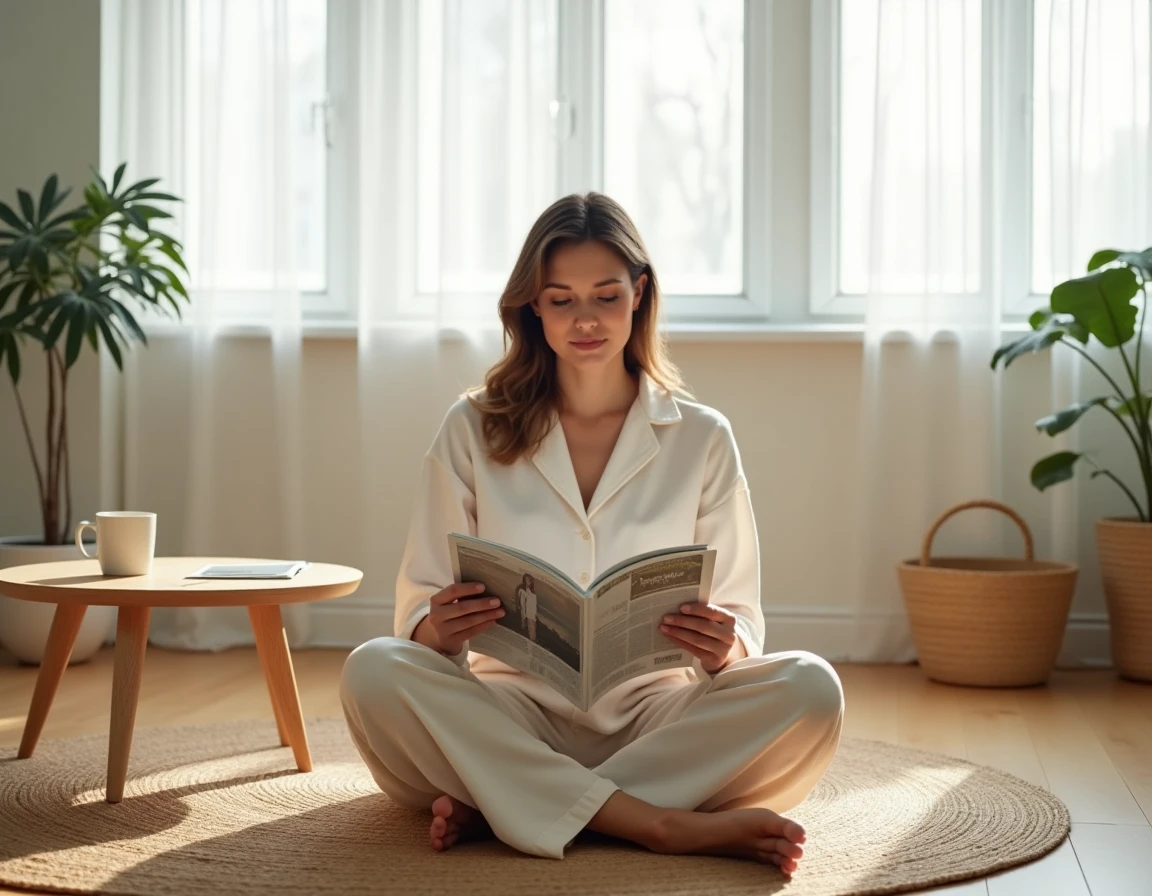
The wellness market, estimated at over $2 trillion according to McKinsey, is no longer limited to morning routines or gym memberships. Information flows are accelerating the convergence between mental health, lifestyle design, and responsible consumption, reshaping what industry professionals call augmented lifestyle.
Micro-wellness practices at work: the shift to short formats
30-minute meditation sessions are losing ground to micro-practices integrated into collaborative tools. Since 2023, platforms like Headspace for Work and Calm Business have reported a marked increase in the use of content lasting less than five minutes. The logic is simple: intervene in the flow of the digital day rather than on the sidelines.
We observe that this fragmentation of wellness corresponds to a structural change in hybrid work. Employees no longer plan a wellness break; they slip it in between two video conferences. Two-minute guided breaths, micro-meditations embedded in Slack or Teams: the gesture replaces the ritual.
Several workplace health programs are now integrating these short formats into their protocols. Wellness is no longer decreed at the end of the day; it is woven into the granularity of daily tasks. For brands developing products or content in this area, industry analyses published on https://butterflymag.com/ document this evolution with a cross-sectional view of current events, beauty, and lifestyle.

Digital wellness and the right to disconnect: evolving regulatory framework
Digital wellness is no longer a vague concept championed by a few editorialists. Since 2023, the European Commission has published guidelines explicitly linking remote work and mental health. In France, parliamentary discussions around a strengthened framework for the right to disconnect extend this dynamic.
The regulatory framework now precedes brand initiatives. Companies offering screen time tracking apps or digital sobriety tools must contend with increasing demands for transparency regarding health data collection.
This movement creates a filtering effect. Informed consumers distinguish between applications that adhere to an ethical framework and those that exploit screen-related anxiety to sell premium subscriptions. For industry professionals, this regulation redefines the credibility criteria for a digital wellness product.
Wellness consumers: five profiles that dictate the offer
McKinsey’s annual study, conducted among over 9,000 consumers in China, Germany, the UK, and the US, identifies five distinct segments. Two profiles concentrate the strongest growth potential: optimizers and confident enthusiasts.
- Optimizers invest in high-value products (targeted dietary supplements, biohacking devices, personalized coaching) and systematically compare scientific data before purchasing
- Confident enthusiasts quickly adopt new trends, from connected sleep to digital detox retreats, with a substantial budget but less demand for scientific validation
- Traditionalists prefer simple approaches (walking, home cooking, herbal teas) and remain resistant to technological innovations, representing a stable but limited market
Young generations are redefining wellness as a lifestyle priority, not as a response to a health issue. This shift in logic, from curative to preventive, permeates all segments and pushes brands to reposition their communication.
Unmet demand: an underutilized lever
McKinsey highlights a persistent gap between consumer expectations and the available offer. Products that combine beauty, mental health, and design remain rare in the European market. Brands that manage to intersect these realms capture a highly loyal clientele.
Digital detox and sleep retreats: lifestyle trends with high potential
Digital detox goes beyond generic wellness advice. By 2026, hotels and care centers will structure comprehensive offers around disconnection: temporary removal of screens, light therapy protocols, calibrated acoustic environments.
Sleep retreats represent the fastest-growing segment in wellness tourism. Sleep, long treated as a byproduct of relaxation, is becoming a standalone pillar. Programs combine sleep quality measurement, dietary adjustments, and management of artificial light.
Biohacking, once reserved for a tech-savvy niche, is entering high-end spas. Cryotherapy technologies, red light baths, neurofeedback: these practices are integrated into care pathways that blend innovation and comfort. Virtual reality is also making its way into some protocols, used to guide immersive relaxation sessions.
Beauty and wellness: convergence of product sectors
The boundary between cosmetics and wellness is diminishing. Consumers are seeking products that simultaneously impact appearance and overall well-being. Formulations incorporating adaptogenic ingredients or topical probiotics illustrate this convergence.
- Beauty brands are repositioning their lines around the concept of holistic wellness applied to the skin, integrating claims related to stress and sleep
- The design of packaging and retail spaces is evolving towards a calming aesthetic, borrowing codes from spas and Scandinavian minimalism
- Transparency regarding ingredients and manufacturing processes is becoming a determining purchase criterion, particularly among consumers under 35
This convergence requires content creators and specialized media to address beauty, health, and society within the same editorial framework. Publications that compartmentalize these realms are losing relevance in the face of an audience that thinks about their daily lives in a cross-sectional manner.
The wellness market in 2026 rewards neither generalists nor purists. It favors players capable of intersecting reliable data, coherent product design, and communication that respects the intelligence of increasingly demanding consumers regarding proof.