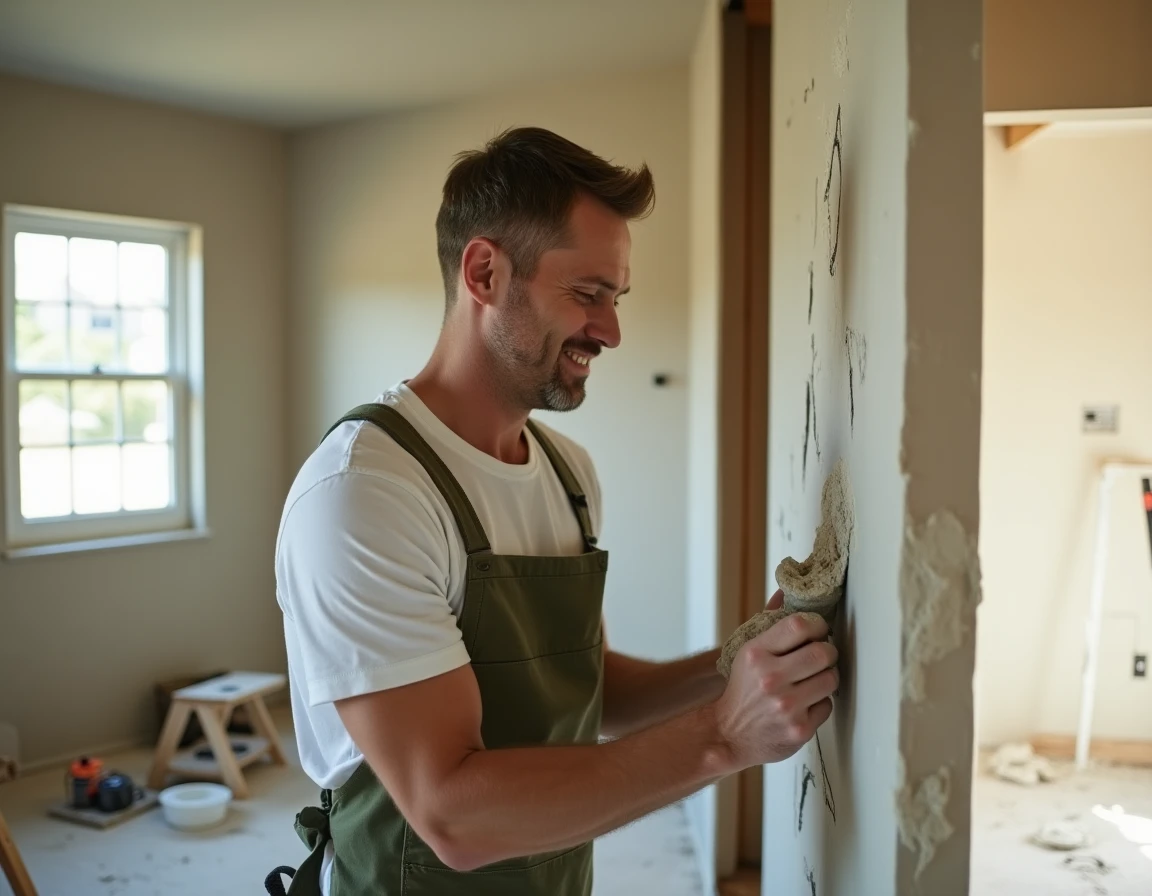
Renovating a room or installing a shelf is no longer what it was three years ago. Materials are changing, tools are equipped with sensors, and regulations are pushing individuals to document every intervention in their homes. Behind these developments, some underlying trends are reshaping the way we approach DIY or renovation projects in 2025-2026.
Reused Materials: DIY Enters the Circular Economy
Have you noticed partitions, joinery, or false ceiling tiles sold as “refurbished” in online ads? This is no longer a marginal phenomenon.
Specialized platforms like Cycle Up, Backacia, or Mobius are listing and certifying materials recovered from deconstruction sites. Floors, movable partitions, joinery, insulation: reuse now covers most aspects of a renovation. The supply is structured enough to occupy dedicated spaces at major professional building fairs, notably Batimat and Artibat during their recent editions.
For a DIYer renovating an apartment, this changes the game. A reclaimed solid oak interior door costs significantly less than a new equivalent while often offering a material quality superior to current entry-level options. The gain is not just financial: each reused material avoids the production and transport of a new product.
Among all the news from Ben Le Bricoleur, this shift towards circular materials is one of the most followed topics by DIYers engaged in renovation projects.
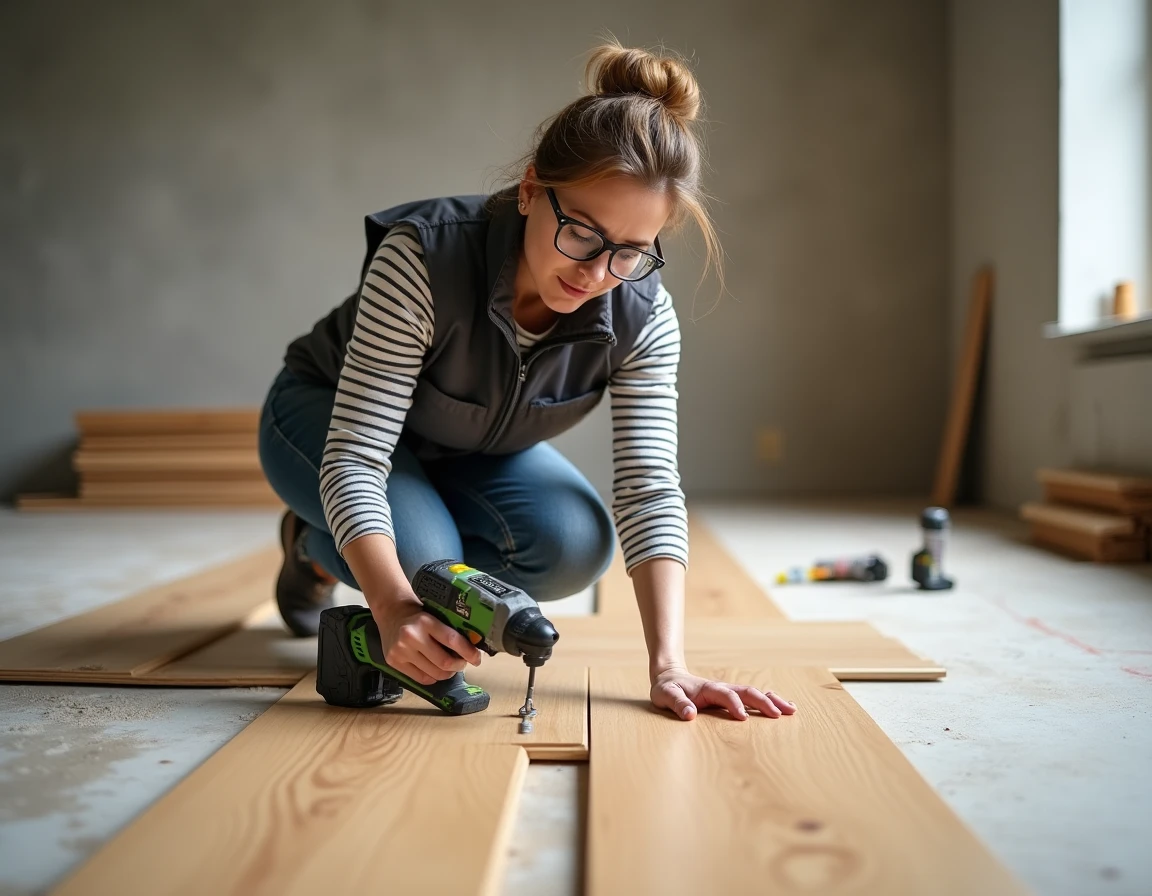
Housing Information Notebook: What DIYers Need to Track
The Climate and Resilience Law has established the Housing Information Notebook (CIL), mandatory for new constructions since 2023. This document requires recording the work done, materials used, artisans involved, and energy performance achieved.
Why does this concern DIYers? Because this obligation is gradually extending to certain heavy renovation works. Replacing windows, redoing attic insulation, or installing mechanical ventilation: each intervention must be documented with traceable and certified products.
This regulatory constraint has concrete effects on material choices:
- Insulation and joinery with recognized certifications (such as ACERMI for insulation, NF for windows) are preferred because their traceability is immediate
- Connected heating and ventilation systems, capable of producing a functioning history, are gaining ground over classic models
- DIYers who carry out their own work must keep invoices, technical sheets, and implementation photos to feed the notebook
The CIL transforms renovation into an administrative act as much as a technical one. For an individual selling their home, a well-documented notebook becomes a value-adding argument.
Connected Tools and Augmented Reality: What Really Changes on the Ground
Laser distance meters have been around for a long time. The novelty is their integration with mobile applications that generate scaled plans in real-time. You measure a room, and the app produces a usable diagram to order materials in the right dimensions.
Augmented reality is starting to move beyond being a marketing gimmick. Several brands offer applications that overlay a flooring or paint color on the image captured by the smartphone. The result remains approximate in terms of color rendering, but it allows for quickly eliminating options that don’t work in a given space.
On the power tool side, the most notable trend remains the generalization of universal batteries within the same brand ecosystem. A DIYer investing in a drill from a specific range can use the same battery on the jigsaw, sander, or leaf blower. This battery platform system reduces the overall cost of equipment and simplifies storage.

Video Tutorials and Online Communities
Access to technical information has radically democratized. Detailed video tutorials, often produced by artisans or experienced DIYers, cover techniques that previously required professional know-how: laying large format tiles, creating a lime render, wiring a compliant electrical panel.
This increase in skills among individuals is prompting local DIY stores to reposition their offerings. Personalized advice in-store is becoming a differentiator against online pure players selling the same products.
Energy Renovation: The Segment Driving the Market
While the DIY market is experiencing a global slowdown after years of strong growth linked to the post-Covid period, energy renovation remains the most dynamic segment. Insulation, replacement of heating systems, and improvement of ventilation are concentrating an increasing share of individual projects.
This dynamism is explained by the convergence of several factors: public aid (MaPrimeRénov’ and its developments), rising energy costs, and the strengthening of regulatory obligations for energy-inefficient homes. DIYers who carry out certain works themselves (installing insulation in lost attics, installing thermal curtains, sealing openings) contribute to this movement without necessarily going through a certified RGE artisan.
- Insulating lost attics remains the most accessible energy renovation project for a DIYer, with one of the best investment/energy savings ratios
- Replacing seals and sealing existing windows offers immediate gains for a very low cost
- Installing connected thermostats allows for remote heating control and produces the necessary data for the housing information notebook
DIY in 2026 is characterized by this dual requirement: doing better with fewer new resources, and documenting what is done. The most relevant renovation projects combine energy performance and material traceability. This is a change in mindset for DIYers used to improvising, but it also makes each project more sustainable and better valued upon resale.