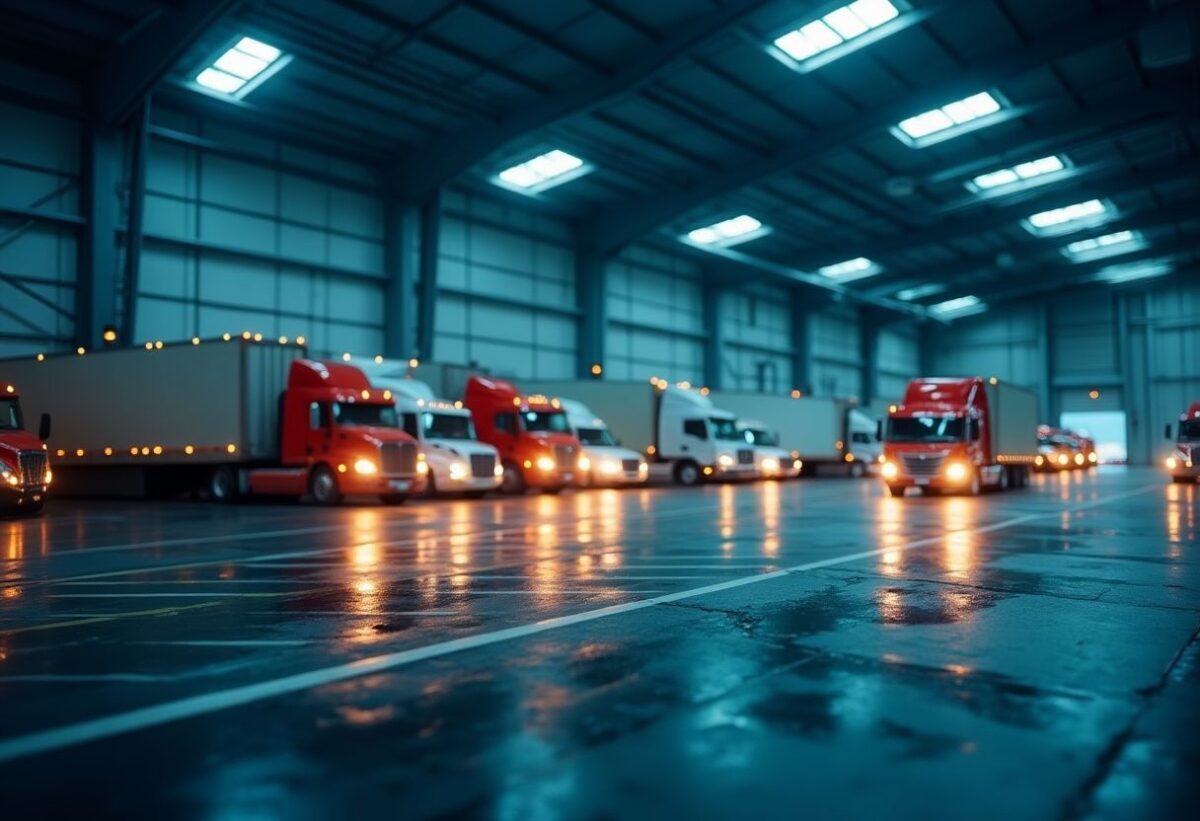
In a world where logistics is at the heart of the global economy, effective fleet management represents a major challenge for businesses. Fleet tracking solutions, which optimize transportation and deliveries, are becoming essential for those who wish to remain competitive. This management system relies on the use of advanced technologies to monitor and manage a fleet of vehicles in real-time. Improving productivity, reducing operational costs, and increasing customer satisfaction are just a few of the many benefits associated with adopting these systems. This technological advancement is more than just a trend; it is a radical transformation of modern logistics practices.
The Fundamentals of Fleet Tracking
Fleet tracking relies on a combination of technologies and methods that allow managers to control their vehicles with increased precision.
- GPS Technology: Satellite positioning is central to fleet tracking, providing real-time information on vehicle locations, which enhances route planning and reduces travel time.
- Telematics: Telematics systems collect and transmit vehicle data, such as speed, fuel consumption, and engine diagnostics, enabling predictive maintenance.
- Data Analysis: The integration of complex analytical algorithms allows for trend examination and fleet performance optimization.
The Benefits of Fleet Tracking for Businesses
Adopting a fleet tracking system offers a multitude of operational and financial advantages that can transform the way a company manages its mobile resources.
- Cost Reduction: By streamlining routes and optimizing fuel usage, companies can achieve substantial savings.
- Improved Safety: Real-time tracking allows for monitoring driving behaviors and quick intervention in case of incidents.
- Increased Productivity: Managers can better plan operations, thus reducing downtime and increasing the number of daily deliveries.
The Challenges of Fleet Tracking
Despite its many advantages, fleet tracking is not without challenges. Companies must be prepared to overcome certain obstacles to fully benefit from it.
The first challenge is that of technological integration. Installing and implementing fleet tracking systems requires a significant initial investment and may encounter resistance from teams accustomed to traditional methods. Similarly, managing the massive data generated by these systems can be daunting; without adequate processing and analysis infrastructure, the collected information may not be effectively utilized.
Future Perspectives for Fleet Tracking
Technological advancements promise to further transform fleet tracking, paving the way for new possibilities and continuous improvements.
In the future, the integration of artificial intelligence and the Internet of Things into these systems will offer unprecedented predictive and automation capabilities.
For example, fleets may soon benefit from autonomous vehicles, reducing labor costs and improving road safety.
Moreover, this technological evolution will facilitate the transition to more eco-friendly solutions, reducing the carbon footprint of businesses. By clicking on the following link, you will discover how an innovative fleet tracking system can contribute to a sustainable future.