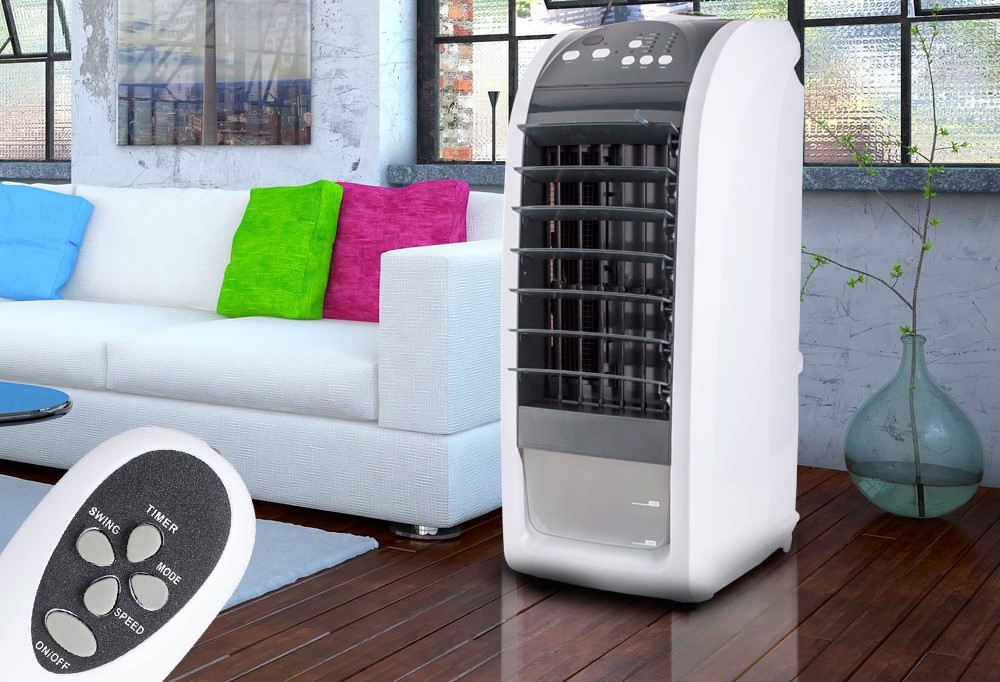
A silent air cooler offers an eco-friendly and cost-effective solution to conventional air conditioning. However, before making a choice among the various existing types, you need to consider certain criteria. What parameters should you take into account? We discuss them in detail in this article.
The water tank capacity
The fan of a silent air cooler uses an evaporation cooling method. In this method, water is transformed into water vapor, which reduces the temperature of the air blown by the fan or blower. It is important to have air coolers with large water tanks. The larger the water tank, the longer the air cooler will operate. Therefore, you should choose a silent air cooler with a water tank that is appropriately sized for your daily use.
Energy consumption
Energy efficiency varies depending on the type of silent air cooler. It is advisable to ask your retailer which brand of air cooler is the most energy-efficient. This way, yours will have less negative impact on the environment.
The type of hose connector
You may also call it an automatic water level controller. Some devices are equipped with a hose connector. This connector allows you to attach a standard garden hose to the device to ensure a continuous water supply during its use. It saves you the time and effort needed to manually pour water into the tank.
The water level indicator
Check if the silent air cooler has a water level indicator or not. It will be more convenient for you to check the water level and know when it is necessary to add water. In any case, if the air cooler is already equipped with a hose connector, this water level indicator is no longer necessary.
The air cooling pad
Aspen pads are made from wood chips and synthetic fibers. They are cheaper, require significant maintenance, and have a shorter lifespan. Cellulose cooling pads are also known as honeycomb pads, mainly because they resemble a honeycomb. They are thicker than aspen pads, require less maintenance, and have a longer lifespan. They cost a bit more but are also known to be more efficient. Make your choice considering the area of the room.