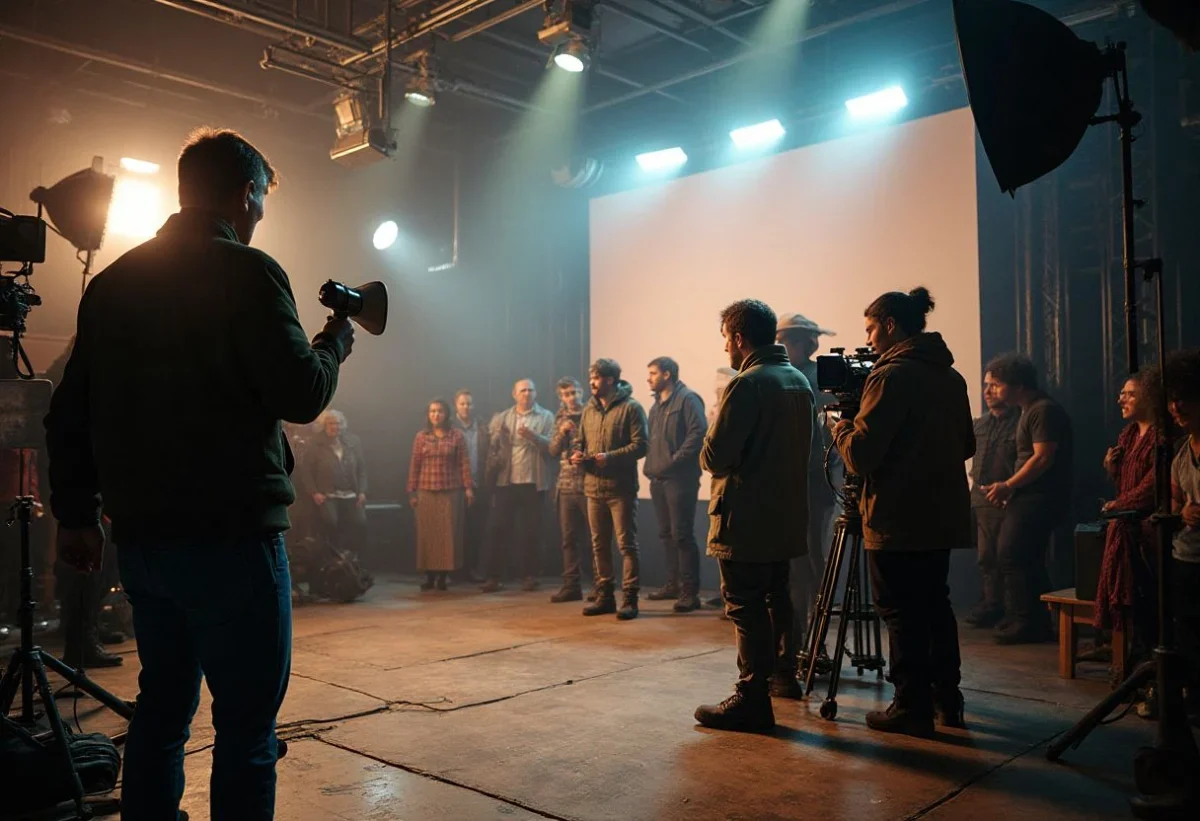
The world of audiovisual media, dynamic and constantly evolving, attracts thousands of enthusiasts each year eager to embark on creative careers. This sector encompasses a wide range of disciplines, from cinema to music, including television, documentary, animation, and many more. Audiovisual schools play a fundamental role by providing practical and theoretical training to aspiring professionals in the industry. They serve as an essential gateway for those looking to turn their passion into a profession. How to choose the best school, which programs to prioritize, and what skills to develop to stand out?
Why choose an audiovisual school?
Audiovisual schools offer much more than just training; they represent a stimulating environment where theory meets practice. They are conducive spaces for exploration, creativity, and personal and professional development.
- Professional network: joining an audiovisual school means opening up to an extensive network of industry professionals. Guest speakers, alumni, and active professionals all contribute to enriching the students’ experience.
- Access to state-of-the-art equipment: these institutions are equipped with professional gear, from sound studios to cutting-edge cameras, allowing students to familiarize themselves with the tools they will use in their future careers.
- Guidance from experts: instructors are often active professionals, providing current and valuable insights into the industry. They share not only their knowledge but also their practical experiences.
The programs and specializations offered
Many specializations allow students to refine their skills in a particular area of audiovisual media. Each program is designed to meet the specific needs of the sector and the students.
First, the curriculum in cinema and directing is often highly sought after. It covers the technical and artistic aspects of film production. Students learn to write scripts, direct films, and master editing.
Next, the path in sound production attracts those interested in music, mixing, and sound effects. Skills acquired include manipulating sound software and understanding acoustic principles.
Finally, motion design and animation is a booming specialization, responding to the growing demand for interactive digital content. Students become capable of creating 2D or 3D animations for various media.
The skills developed in audiovisual schools
Beyond technical skills, students develop valuable abilities that prepare them to succeed in the audiovisual industry. These skills are essential for navigating confidently in this competitive environment.
Creativity is at the heart of all training. Students are encouraged to think outside the box, experiment, and innovate.
Schools also emphasize project management. Students learn to plan, organize, and execute projects from start to finish, a crucial skill for successfully completing any audiovisual production.
Collaboration is another key skill. Working in teams is a daily reality in the industry, and knowing how to collaborate effectively is essential. Audiovisual schools provide an ideal setting to develop these essential skills.
How to choose the right audiovisual school?
Faced with a multitude of options, choosing the right audiovisual school can seem daunting. A few essential criteria help guide this crucial decision.
First, evaluating the content and quality of the programs is paramount. It is important to ensure that the courses offered cover the student’s areas of interest and align with current industry standards.
The location of the school can also play a role in the decision. Some prefer to study in cities known for their audiovisual activity, such as Paris, London, or Los Angeles, which can offer more accessible internship and job opportunities.
Finally, it is helpful to consult the graduate placement rates and testimonials from former students. It is important to consider in your research more elements of analysis on career prospects after graduation.
Audiovisual schools are much more than places of learning; they are incubators of talent where the future professionals of the industry are forged. Choosing to engage in them means deciding to pursue a career where passion and creativity take precedence, where each project is a new adventure, and where each day offers a unique opportunity to tell one’s own story. In this vibrant and ever-changing world, audiovisual schools remain the ideal springboard towards a career filled with challenges and rewards.